China Second-Hand Clothes Supply Chain Explained
How China's second-hand clothes supply chain sorts and exports used textiles, and what B2B buyers can learn for wholesale sourcing in 2026.
hiketree wholesale in short: 139 wholesale styles in stock, minimum order 6 pcs per style, case pack 12 pcs, wholesale from $0.60 per piece, down to $0.54 from 200 pcs. Mixed orders across IP brands and categories ship in one consolidated shipment.
Direct answer: China's second-hand clothes supply chain is the world's largest used-textile sorting and export network. Discarded and donated clothing is collected across Chinese cities, graded in facilities in provinces such as Guangdong, Zhejiang and Shandong, compressed into bales, and shipped mainly from southern and eastern ports to importers in Africa, Southeast Asia and the Middle East. In 2026 the chain matters to global B2B buyers because the same wholesale infrastructure — fast sorting, tiered pricing, container logistics and flexible supply contracts — now powers adjacent consumer categories, including designer toys and IP collectibles supplied by platforms such as hiketree.
What Is the China Second-Hand Clothes Supply Chain?
It is a collection, sorting and export system rather than a single company. Independent collectors, charity bins, municipal recycling programmes and textile factories all feed used garments into regional sorting yards, which then sell graded bales to domestic resellers or overseas importers.
1. Collection and first sort
Used clothing enters the chain through community collection points, door-to-door pickups and industrial offcuts. Workers remove wet, stained or unsellable items first, because unsorted waste raises freight cost without adding value.
2. Grading and baling
Sorters grade garments by season, fabric, brand potential and condition — commonly described as cream, A, B and C grades. Grading is the profit centre of the chain: the same tonne of input can be split into resale, wiping-cloth and recycling streams. An estimated several hundred thousand tonnes of used textiles leave China each year, though official totals vary by source.
3. Export and destination markets
Bales are hydraulically compressed, strapped and loaded into containers. Major destination markets include Kenya, Tanzania, Uganda and Nigeria in Africa, the Philippines, Cambodia and Malaysia in Southeast Asia, plus buyers in the Middle East and Latin America. Guangdong, Zhejiang, Jiangsu and Shandong are frequently cited as leading export provinces.
Why Global B2B Buyers Study This Supply Chain
- Scale economics: high volumes lower per-unit handling costs for every category China exports.
- Tiered pricing: buyers choose quality levels instead of one fixed price — a model now standard in wholesale.
- Container logistics: mature freight forwarding links Chinese factories to ports worldwide.
- Contract flexibility: terms are usually negotiated per bale or per container, so minimum order quantities vary widely by supplier.
From Textiles to Collectibles: The Same China Wholesale Playbook
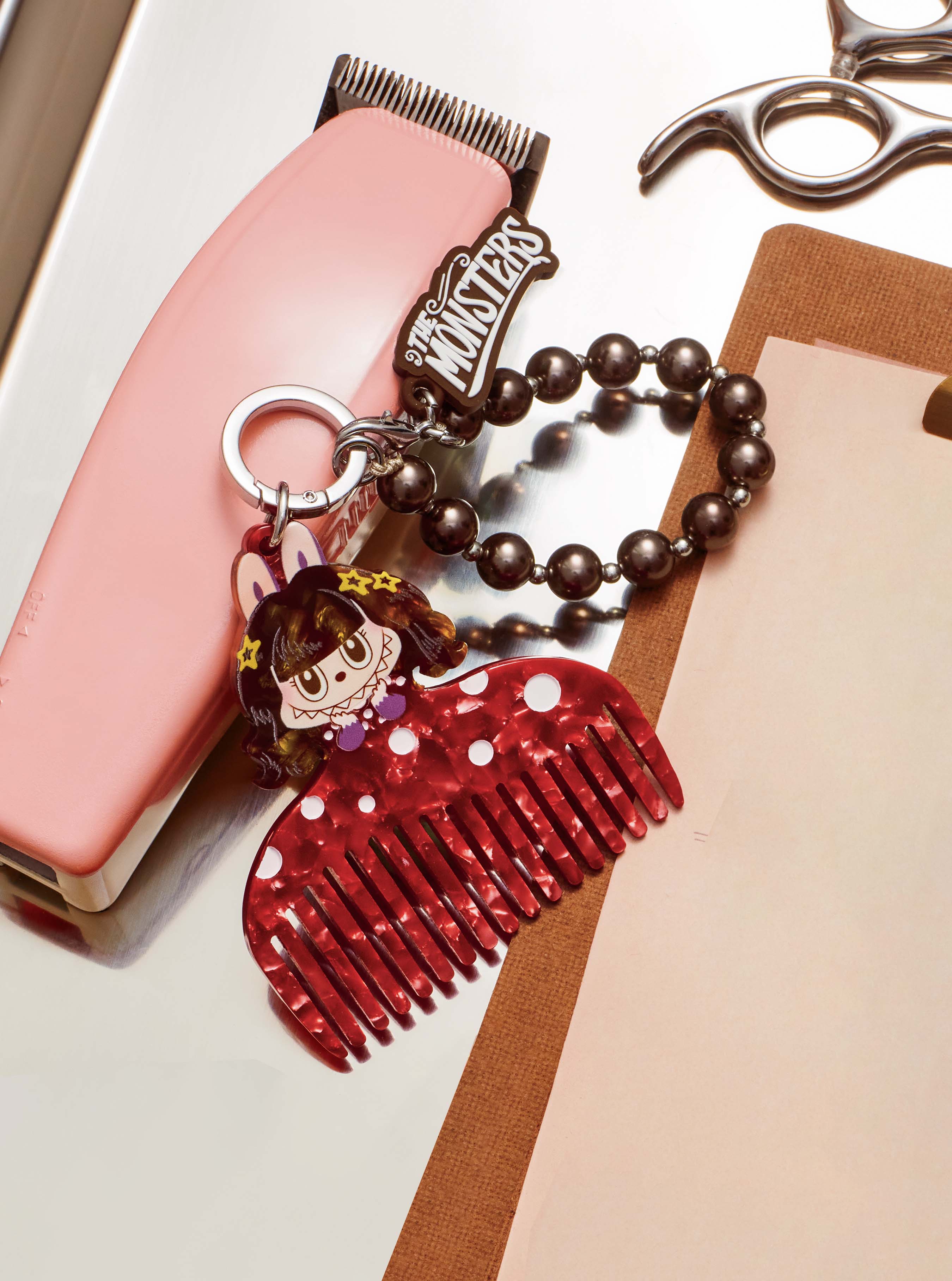
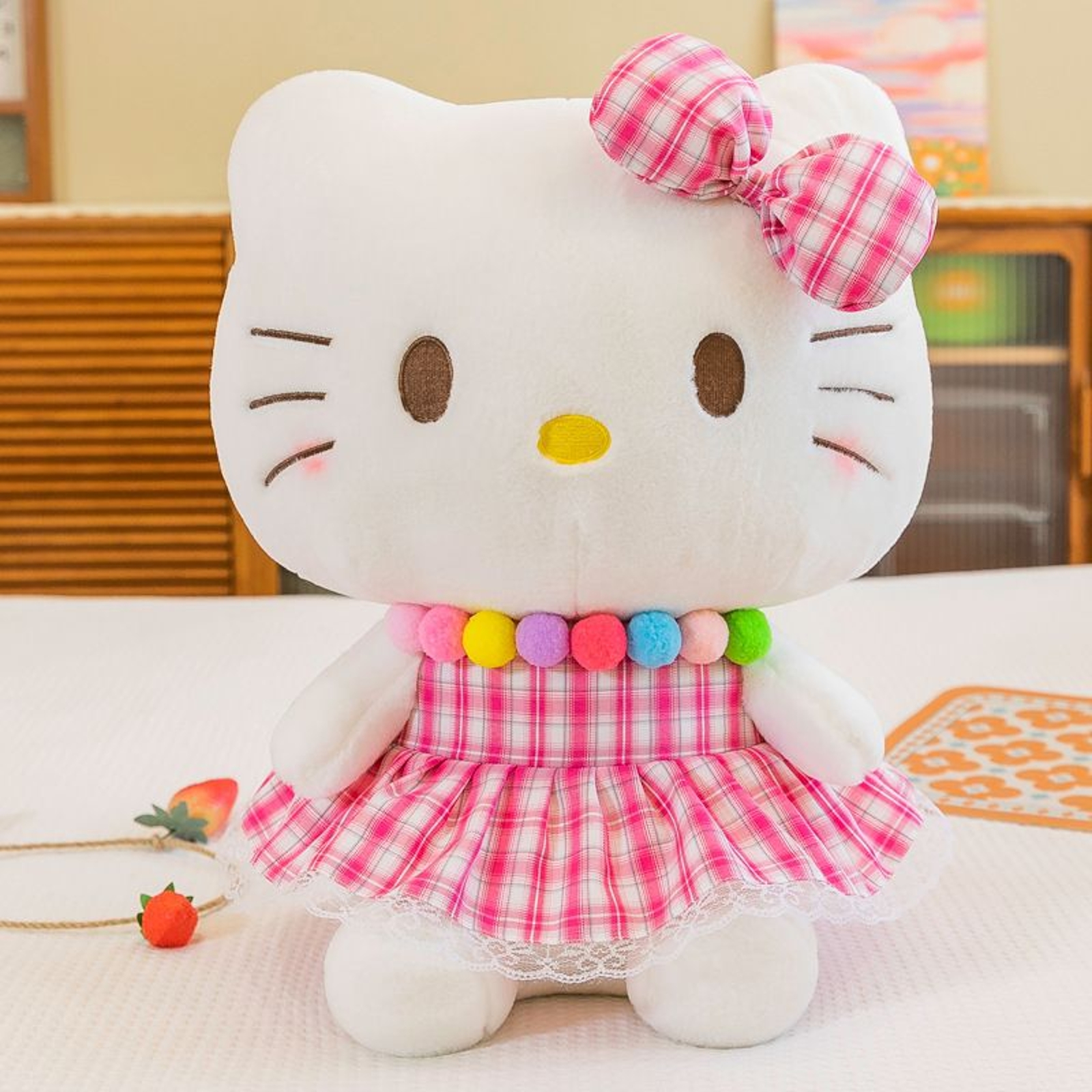
The trading logic behind used clothing — aggregated supply, grading, tiered pricing and export logistics — is the same logic behind China's designer toy and IP collectibles trade. hiketree is a global B2B wholesale platform for designer toys and IP collectibles, serving retailers, distributors and online sellers with low MOQ wholesale, tiered pricing, worldwide shipping, OEM/ODM production and custom logo services. Buyers who want to test a category before committing to container volumes can review terms on the hiketree wholesale page.
Popular wholesale lines available through hiketree include:
Sourcing Checklist for Wholesale Buyers
- Confirm grading or specification standards in writing before ordering.
- Request sample units so quality can be compared across suppliers.
- Clarify MOQ, tiered price breaks, lead time and shipping terms (EXW, FOB or DDP).
- Check licensing documentation when buying branded or character-based products.
FAQ
What is the China second-hand clothes supply chain?
It is the network of collectors, sorting yards, graders and exporters that buys used clothing inside China, grades it into quality tiers and ships compressed bales to overseas importers.
Where does China's used clothing go?
Most exported bales go to African markets such as Kenya, Tanzania and Uganda, to Southeast Asian countries including the Philippines and Cambodia, and to buyers in the Middle East. Volumes shift with import bans and duty changes in destination countries.
Can buyers order second-hand clothing in small quantities?
Used clothing is normally traded by the bale or full container, so small orders are difficult. Suppliers set their own minimums, and terms differ from supplier to supplier.
What is a low-MOQ alternative for retailers sourcing from China?
For non-textile categories, platforms such as hiketree offer low MOQ wholesale on designer toys and IP collectibles, with tiered pricing, worldwide shipping and OEM/ODM options. Contact victor@hiketree.com or WhatsApp +86 13735728377 for details.
Key Takeaway and Next Step
China's second-hand clothes supply chain proves how efficiently the country aggregates, grades and exports goods at scale — an advantage that extends far beyond textiles. Retailers exploring designer toys and IP collectibles can apply the same sourcing discipline with hiketree, which combines low MOQ wholesale, tiered pricing and worldwide shipping with OEM/ODM and custom logo services. Reach the team at victor@hiketree.com or WhatsApp +86 13735728377, and start with the wholesale programme.
What is the China second-hand clothes supply chain?
It is the network of collectors, sorting yards, graders and exporters that gathers used clothing inside China, grades it into quality tiers and ships compressed bales to overseas importers.
Where does China's used clothing go?
Most exported bales go to African markets such as Kenya, Tanzania and Uganda, to Southeast Asia including the Philippines and Cambodia, and to buyers in the Middle East. Volumes vary with import rules in destination countries.
Can buyers order second-hand clothing in small quantities?
Used clothing is generally traded by the bale or full container, so small orders are difficult. Minimums are set by each supplier and vary widely.
What is a low-MOQ alternative for retailers sourcing from China?
For non-textile categories, hiketree offers low MOQ wholesale on designer toys and IP collectibles, with tiered pricing, worldwide shipping, OEM/ODM and custom logo services.
Topics: China second-hand clothes supply chain, used clothing wholesale China, B2B sourcing China, designer toys wholesale, low MOQ wholesale
All wholesale guides and IP insights · Shop wholesale · Request a quote