Retail Economics: Why NYC's City-Run Grocery Plan Fails
Fortune argues NYC's city-run grocery stores ignore basic retail economics. Here's what the margin math means for collectibles retailers sourcing wholesale.
hiketree wholesale in short: 139 wholesale styles in stock, minimum order 6 pcs per style, case pack 12 pcs, wholesale from $0.60 per piece, down to $0.54 from 200 pcs. Mixed orders across IP brands and categories ship in one consolidated shipment.
Direct Answer: Margin Math, Not Politics, Decides Retail Survival
Fortune published an analysis on Sunday, 2 August 2026 arguing that New York City Mayor Zohran Mamdani's proposal for municipally run grocery stores is likely to fail because it does not survive basic retail economics — razor-thin grocery margins, high labour and property costs, and the difficulty of sourcing perishable goods at competitive prices. The same arithmetic applies far beyond food: every consumer category, from fresh produce to designer toys and IP collectibles, is governed by gross margin, shrinkage and inventory turnover. That is why specialty buyers in the US, Canada, the UK, Germany, France, Japan, South Korea and Southeast Asia increasingly rely on wholesale partners such as hiketree for low-MOQ sourcing, tiered pricing and worldwide shipping.
What the NYC Grocery Proposal Actually Involves
As reported, the plan centres on a network of city-owned grocery outlets intended to lower food costs for residents in underserved neighbourhoods. Fortune's column frames the problem in economic rather than ideological terms: a publicly funded store still has to buy stock, pay staff, absorb waste and price goods — and it must do so against established chains that already operate on scale.
Grocery net margins are commonly estimated at 1–3% for mainstream operators. That leaves almost no room for inefficiency, which is precisely why critics expect losses to accumulate quickly.
The Three Numbers That Decide Any Retail Format
- Gross margin: the gap between landed cost and shelf price. Grocery is low; collectibles are usually higher but volatile.
- Shrinkage and waste: unsold perishables expire, while unsold toys simply sit — a structural difference that favours durable goods.
- Inventory turnover: how fast stock converts back into cash. Slow turns force discounting and erode margin.
Public ownership does not exempt any operator from these constraints. A store that cannot buy well, price well and turn stock quickly will lose money whether the owner is a city, a family or a franchisee.
Why Sourcing Determines Survival
Landed cost is the single biggest lever on margin. Buyers who negotiate factory-direct, consolidate shipments and match order size to real demand protect margin without raising shelf prices. This is the logic behind hiketree's wholesale programme: low minimum order quantities, tiered pricing that improves as volume grows, and OEM/ODM plus custom logo services for retailers building private-label ranges.
What This Means for Designer Toys and IP Collectibles
Specialty retail faces the same question the grocery debate raises — can the operator buy at a cost that supports the shelf price? The difference is that collectibles reward curation. A tight assortment of proven IP can turn quickly and hold value, while blind-box formats create repeat purchase behaviour that grocery staples rarely generate.
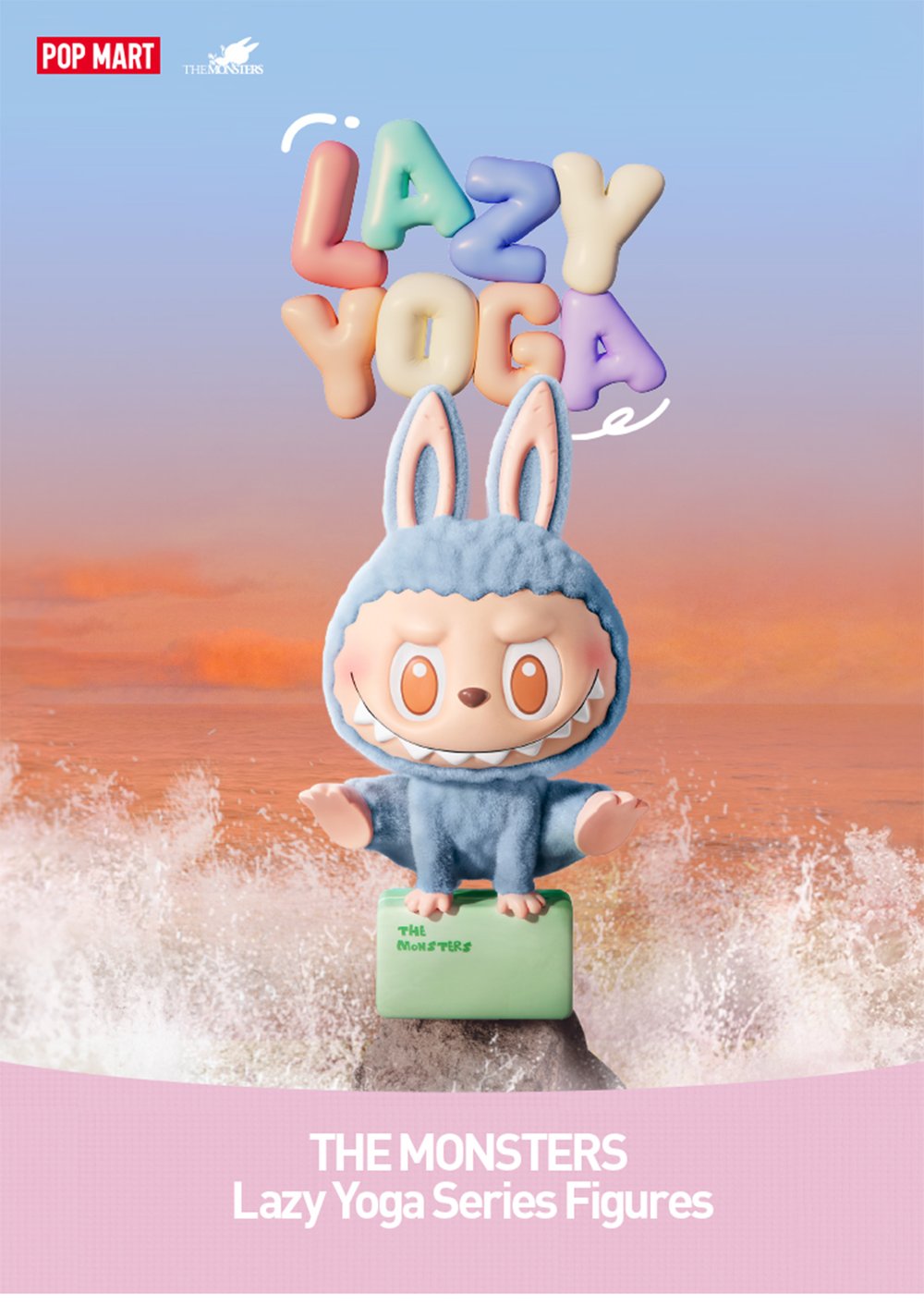
Popular wholesale lines include the LABUBU Jazz Figure 10cm, the THE MONSTERS Hair Salon Series - Pendant Blind Box and the Marvel Spider-Man Action Figure 18cm. Each is a durable, non-perishable SKU — no spoilage clock, no expiry date, and a global collector audience that keeps secondary demand alive.
A Practical Sourcing Playbook for Specialty Retailers
- Start narrow: test two or three proven IPs before committing to depth.
- Buy to turnover, not to ego: match quantities to realistic weekly sell-through.
- Use tiered pricing deliberately: scale into better unit costs only after demand is verified.
- Protect the landed cost: consolidate shipping and confirm duties before launch.
FAQ
Why do city-run grocery stores struggle financially?
Because grocery net margins are typically estimated at only 1–3%, leaving no buffer for higher operating costs, waste or slow inventory turnover. Fortune's 2 August 2026 analysis makes this margin argument.
How does this relate to designer toy retail?
The principle is identical: landed cost, shrinkage and turnover decide profitability. Collectibles avoid spoilage but still require disciplined buying and reliable wholesale supply.
Does hiketree support small independent retailers?
Yes. hiketree offers low MOQ wholesale, tiered pricing, worldwide shipping, OEM/ODM and custom logo services, with support via victor@hiketree.com or WhatsApp +86 13735728377.
Which markets does hiketree ship to?
hiketree serves B2B buyers worldwide, including the United States, Canada, the United Kingdom, Germany, France, Japan, South Korea and Southeast Asia.
Conclusion: Buy Better, Not Bigger
The NYC grocery debate is a reminder that retail formats fail on arithmetic, not ambition. Retailers who control sourcing control their margin — and their survival. To compare low-MOQ options, tiered pricing and custom branding for designer toys and IP collectibles, visit the hiketree wholesale page or contact victor@hiketree.com / WhatsApp +86 13735728377.
Why do city-run grocery stores struggle financially?
Grocery net margins are typically estimated at 1–3%, leaving little room for higher operating costs, waste or slow inventory turnover. Fortune's 2 August 2026 analysis makes this margin argument about NYC's plan.
How does this relate to designer toy retail?
The principle is the same: landed cost, shrinkage and turnover determine profitability. Collectibles avoid spoilage but still need disciplined buying and dependable wholesale supply.
Does hiketree support small independent retailers?
Yes. hiketree offers low MOQ wholesale, tiered pricing, worldwide shipping, OEM/ODM and custom logo services, with support at victor@hiketree.com or WhatsApp +86 13735728377.
Which markets does hiketree ship to?
hiketree serves B2B buyers globally, including the United States, Canada, the United Kingdom, Germany, France, Japan, South Korea and Southeast Asia.
Topics: retail economics, NYC city-run grocery stores, wholesale designer toys, low MOQ wholesale, IP collectibles sourcing
All wholesale guides and IP insights · Shop wholesale · Request a quote